
Tom Hardy, Addiction and the Courage to Ask for Help
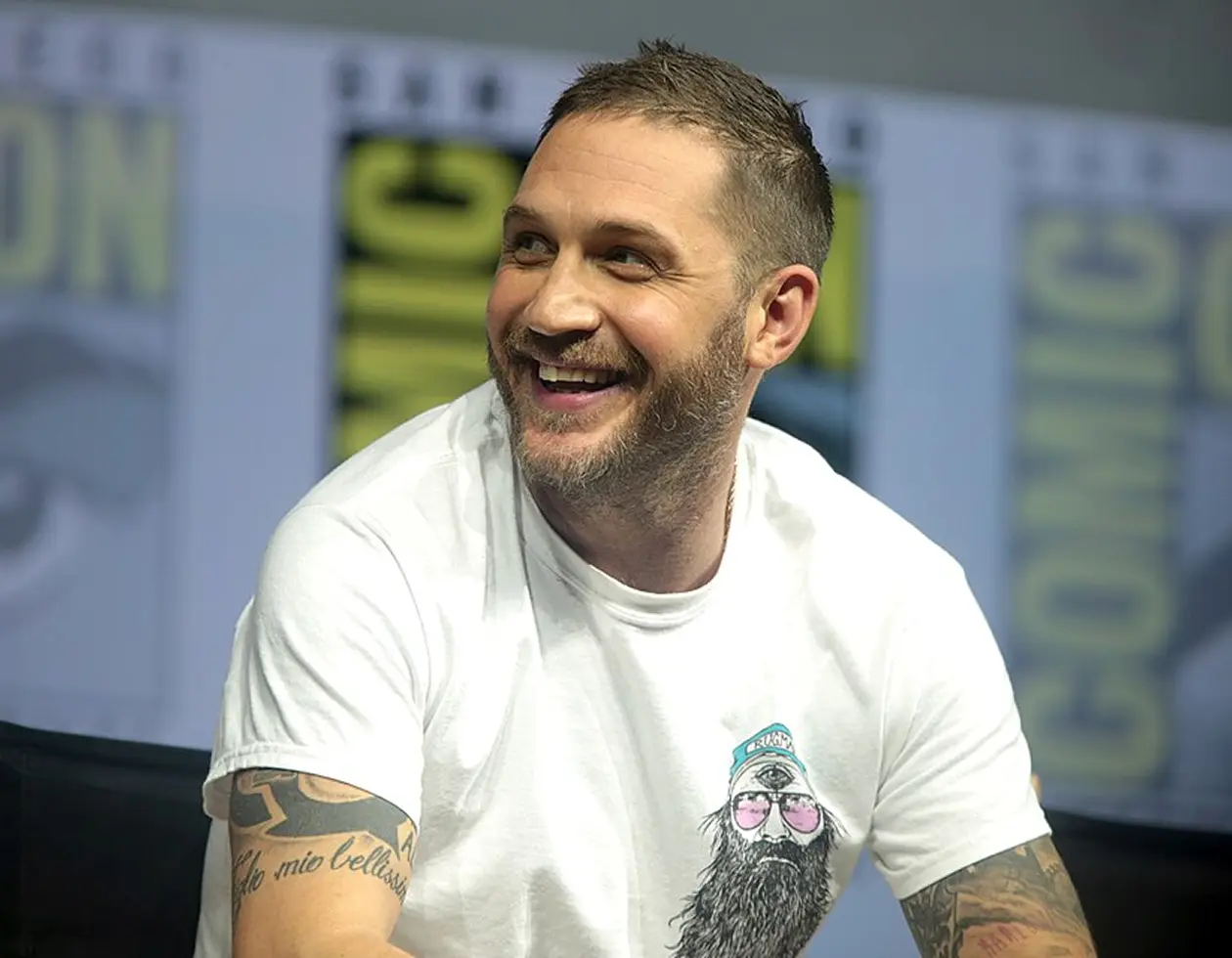
Tom Hardy is one of the most respected actors of his generation, known for roles in The Dark Knight Rises, Mad Max, Venom and Peaky Blinders. He has built a career on playing men of extraordinary intensity and physical presence. What many people do not know is that the intensity is real, and for a significant part of his life, it was fuelled by drugs and alcohol rather than discipline.
Hardy has spoken openly about his addiction in interviews over many years. He started experimenting with substances at a young age and by his early twenties was dealing with a serious dependence on alcohol, cocaine and crack cocaine, describing behaviour that put him in dangerous situations, damaged relationships and came close to ending his life before it had properly begun.
The moment everything changed
The turning point came in 2003. Hardy was 25 years old, working on the film Black Hawk Down, when he woke up after a night of heavy use in a state that finally made the reality of his situation impossible to ignore. He sought help, entered a treatment programme and has been sober ever since.
In a 2017 interview he described a conversation with a doctor that stayed with him for the rest of his life. The message was direct: go down this road and you will not come back. That was all he needed to hear.
“I went entirely off the rails. I am lucky I did not have some terrible accident, end up in prison or dead. Because that is where I was going.”
Since getting sober, Hardy has spoken about the transformation that followed, not just professionally but personally. He became a father, found a way to channel the intensity that had previously driven his self-destruction into his craft, and has described sobriety not as losing something but as recovering access to himself.
What his story tells us about addiction
Tom Hardy’s story matters because it challenges some of the most persistent myths about addiction, including the idea that it only happens to people with chaotic lives, that successful talented people are somehow protected from it, or that asking for help is a sign of weakness.
None of those things are true. Addiction does not discriminate and it affects intelligent, driven, capable people as readily as anyone else. The same qualities that drive ambition can also drive compulsive behaviour, and the capacity for intensity that makes someone exceptional in their field can, without the right support, turn inward and become destructive.
What changed for Hardy was not willpower. It was honesty — with himself and with someone who could help. He has said that he did not want anyone to know he was out of control. But he could not hide it. And eventually, he stopped trying.
Recovery is possible
More than twenty years after getting sober, Tom Hardy continues to speak about his experience because he believes it matters and that people who see themselves in his story need to hear that the way out exists.
He is right. The way out exists, and it requires honesty, the right support and the willingness to accept help. Those things have been available to every person who has ever found their way through addiction, regardless of whether their name is known or not.
If something brought you here, trust it. The first conversation is free, confidential and without pressure.