
Bradley Cooper Got Sober at 29. What Happened Next Changed Everything.
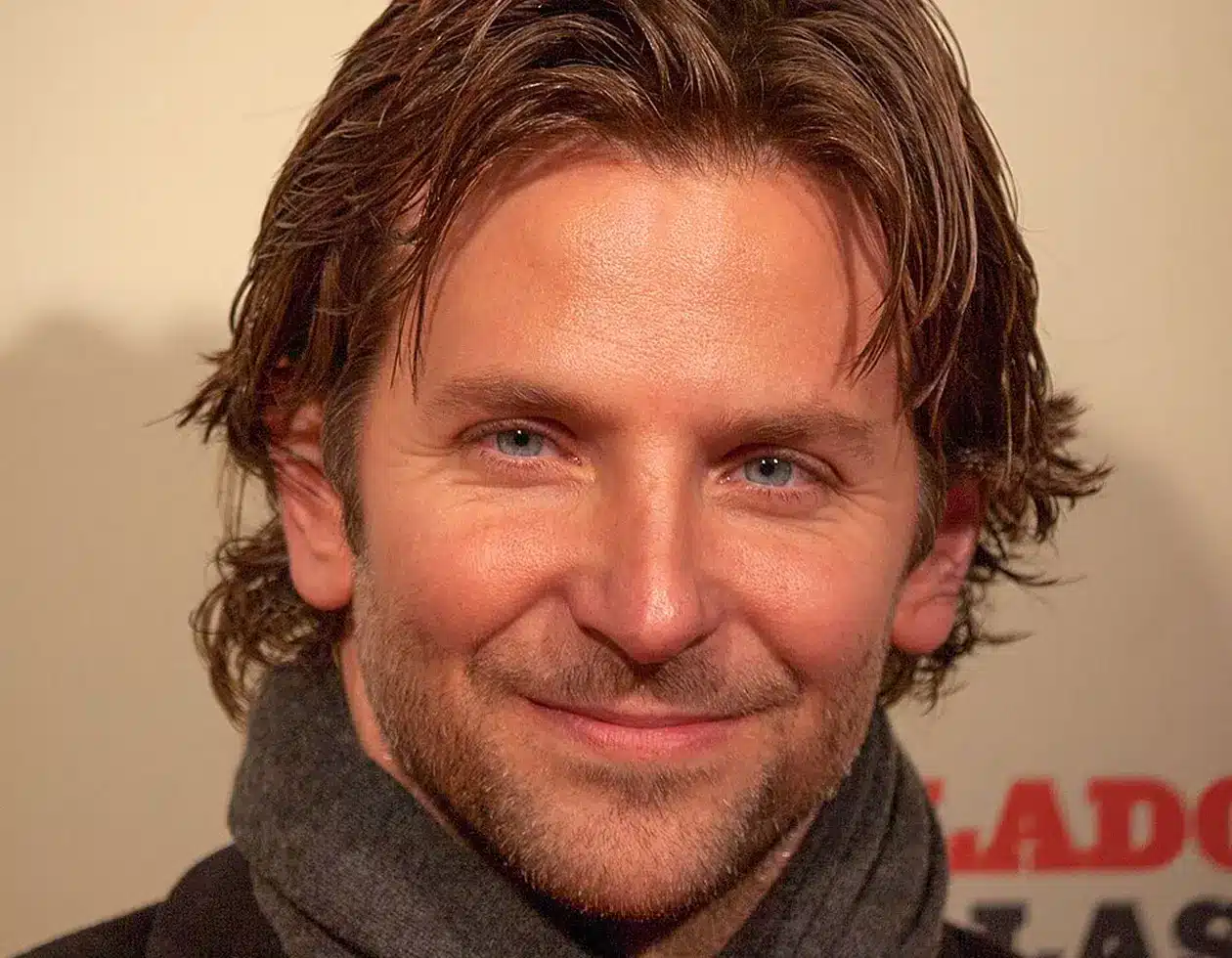
Bradley Cooper is one of the most accomplished actors of his generation, with multiple Academy Award nominations and A Star is Born to his name. What is less often discussed is the decision he made at 29 years old that made all of it possible.
Cooper has spoken openly about his struggles with alcohol and cocaine in his twenties. By his own account the lowest point came during the filming of Alias, where he was losing screen time, feeling like a failure, experiencing depression and increasingly relying on substances to manage the gap between how his life looked from the outside and how it felt on the inside.
The conversation that changed his life
In 2004, Cooper’s close friend Will Arnett sat him down and told him directly what he was seeing. Cooper has described that conversation as the moment everything changed, the first time he genuinely understood that he had a problem with drugs and alcohol.
He got sober at 29 and has not had a drink or taken drugs since, speaking about the transformation that followed not just professionally but in deeply personal terms. Before sobriety, he says, he did not have access to himself or to other people, and that access only became possible once he stopped using.
“Getting sober was the best thing I ever did. I am so lucky I did not wait any longer because I would not have had the life I have now.”
The high-functioning addict
What makes Cooper’s story particularly resonant for many people is that he was functioning throughout his addiction. Working. Building a career. Appearing, from the outside, to have things together. The internal reality was something else entirely.
High-functioning addiction is one of the most commonly misunderstood forms of substance dependency. Because the person is still working, still managing relationships, still showing up, the severity of the problem is not obvious, often not even to the person themselves. The absence of dramatic collapse becomes a reason to tell yourself things are fine, when they are not.
Cooper’s description of being unable to access himself is recognisable to many people who have been through this. The substances that begin as a way to manage anxiety, social discomfort or professional pressure gradually create a barrier between you and your own experience. You function. But you are not really there.
What sobriety built
The career Cooper has built since getting sober at 29 is extraordinary. But more than the career, he speaks about the quality of his daily life. His capacity for genuine connection. His ability to be present for the people he loves. His relationship with his daughter.
He made A Star is Born as someone who understood addiction from the inside — who knew what it felt like to be that person, playing that character, performing that descent. The authenticity of that film came from somewhere real.
He has said that the willingness to be honest, first with Arnett and then with himself, was what made recovery possible. Not willpower or discipline. Honesty, and the support that followed it.
You do not have to wait
One of the most important things about Cooper’s story is the age at which he got sober. Twenty-nine, relatively early by the standards of many recovery stories and in time to build the life he has built.
This matters because one of the most persistent myths about addiction is that you have to hit rock bottom before you can recover. That you have to lose enough and suffer enough before help is warranted. That is not true. You can ask for help before the bottom. Cooper did. And everything that followed came from that decision.
If something brought you here, trust it. The first conversation is free, confidential and without pressure.