
Robert Downey Jr.: The Long Road Back
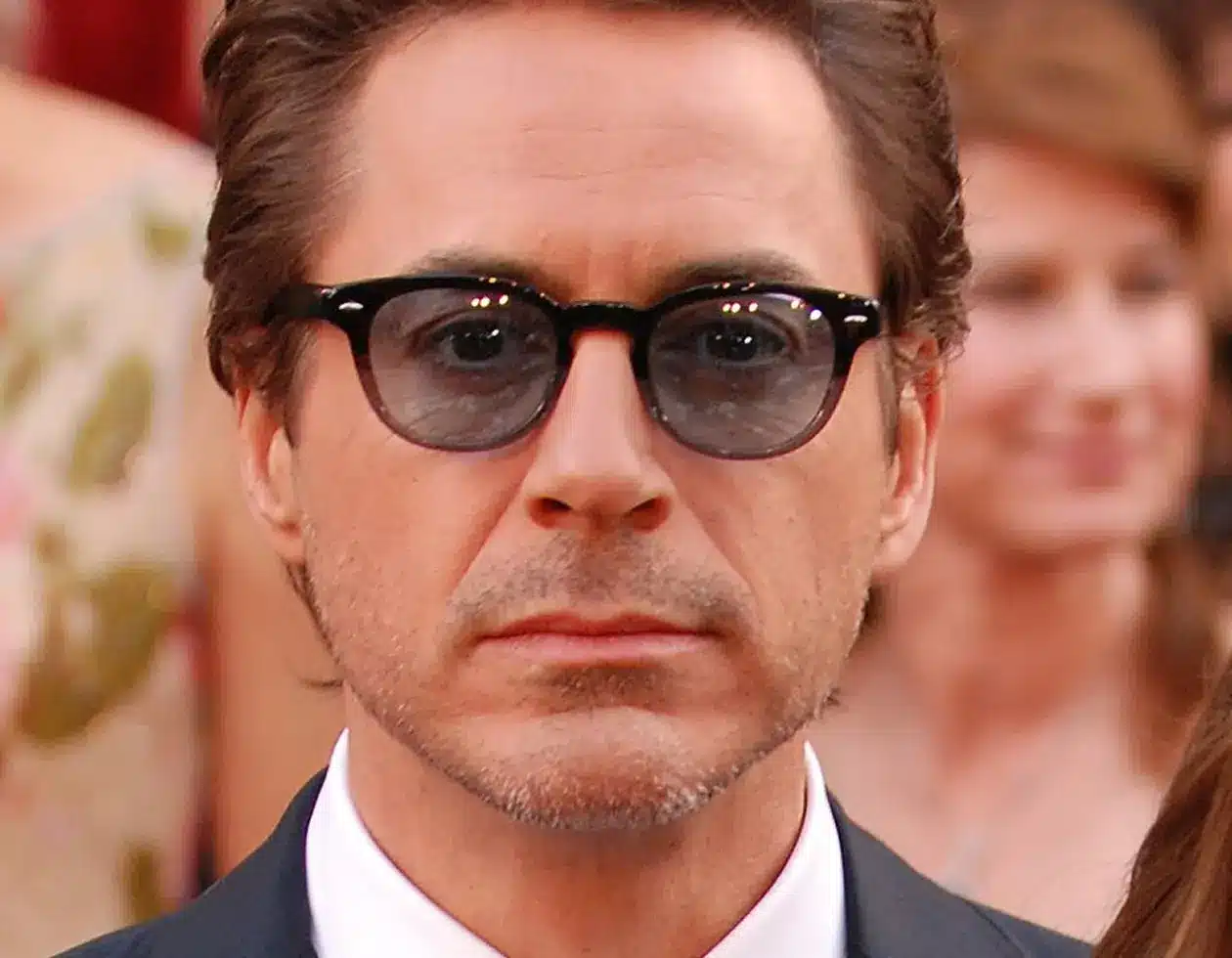
There are few stories in Hollywood as well known as Robert Downey Jr.’s fall and return. He is now one of the most successful actors in the world, the face of Iron Man and the Marvel universe. What makes his story matter is not the success. It is what came before it and how long it took.
Downey grew up around drugs. His father introduced him to marijuana when he was six years old, framing it as something they did together. By the time he was a teenager he was using regularly and by his twenties, as his career began to gain serious momentum, his use had escalated far beyond what he could manage.
The nineties were a decade of extraordinary talent and extraordinary chaos. Downey gave performances that critics called among the best of his generation, including a turn as Charlie Chaplin that earned him an Academy Award nomination. And throughout that time he was increasingly unable to control what was happening in his private life. Arrests followed. Multiple court appearances. Stints in prison and in rehabilitation. He violated probation. He was fired from projects, dropped by insurers, considered unemployable. There was a period when it seemed genuinely unclear whether he would survive, let alone work again. He has spoken about that time with a clarity that is rare. He knew what he was doing. He understood the consequences. And for a long time that understanding changed nothing because the grip of addiction does not respond to logic or intention.
“I have a metaphor for it. It is like I had a gun in my mouth and I liked the taste of metal.”
The turning point came in 2003. Downey was 36 years old and had been through enough treatment programmes to know what they said and what they asked of him. What changed was not a new programme or a new insight. It was an internal decision, the kind that cannot be forced from the outside, to actually do what was required rather than go through the motions of doing it. He got clean. He rebuilt slowly. He met and married Susan Levin, whose clarity and commitment he has credited as a foundation for everything that followed. And eventually, in 2008, he played Tony Stark in Iron Man and the rest is the most successful second act in Hollywood history.
Robert Downey Jr.’s story is often told as a comeback narrative. Man falls, man rises, man becomes a superhero. But that version misses the most important thing about it. The fall was real and serious and lasted a very long time. The recovery required sustained effort and honesty over many years. And the success that followed was not the point of getting clean. It was a consequence of it. Addiction does not respond to talent or intelligence or the desire to be better. It responds to the right support, applied consistently, over time.
If something brought you here, trust it. The first conversation is free, confidential and without pressure.