
Eminem: When Prescription Drugs Almost Ended Everything
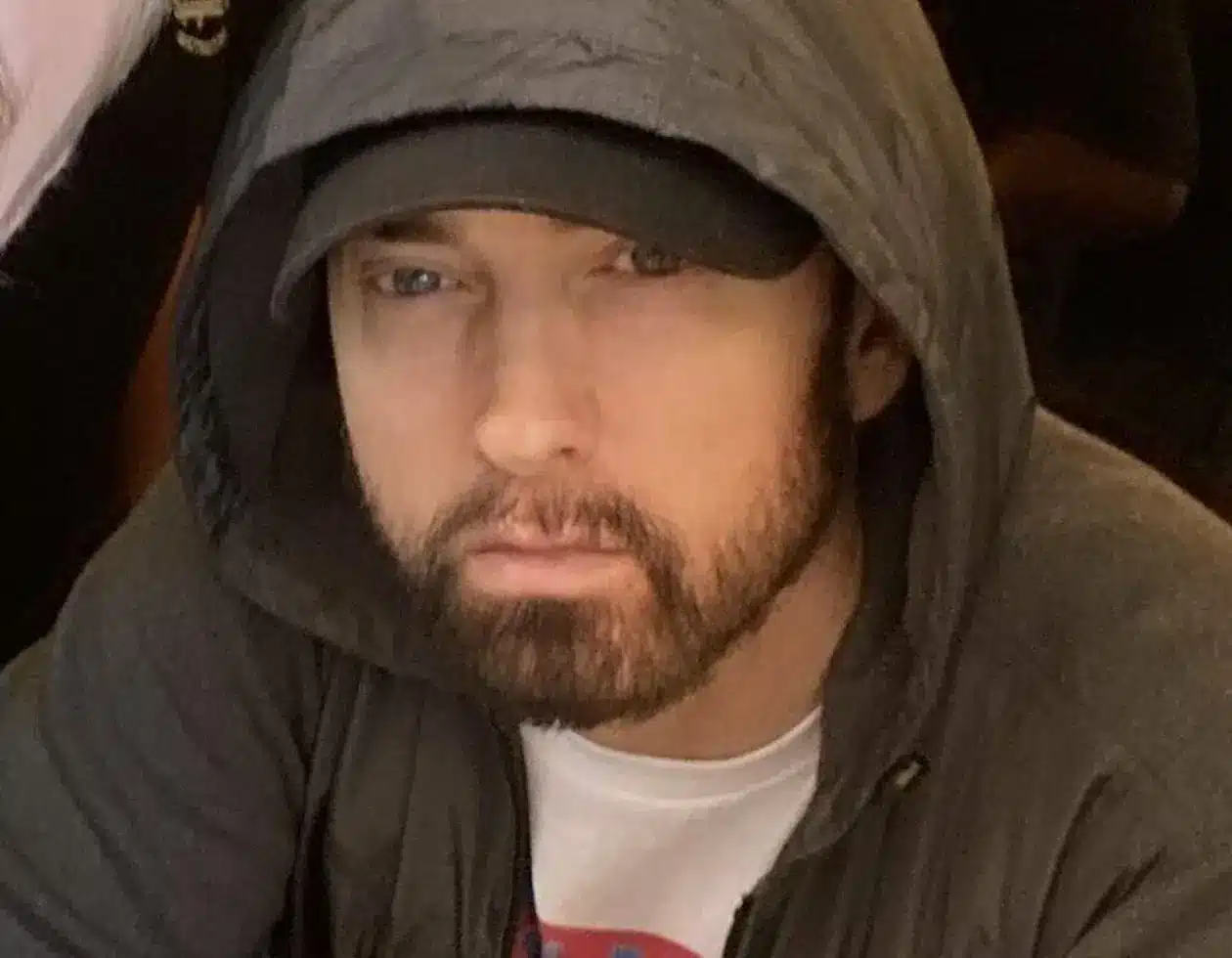
Most people associate Eminem with words. The speed of his delivery. The precision of his lyrics. The way he has used music to process trauma, anger, grief and survival. What fewer people understand is how close the world came to losing that voice entirely — not to violence or accident, but to prescription drug addiction.
Marshall Mathers grew up with very little and his childhood in Detroit was marked by poverty and instability. He found rap as a way to make sense of the world and eventually, against considerable odds, built one of the most successful careers in music history. Success, however, brought its own pressures. And those pressures, combined with physical pain and the availability of prescription medication, created the conditions for a dependency that nearly killed him.
How it started
Eminem’s addiction to prescription opioids began the way many do — gradually and in a context that made it seem entirely reasonable. Medication prescribed for pain and anxiety, something to help with sleep, a way to manage the mounting pressure of an extraordinary career. The pills worked and then slowly they stopped working without more of them.
By the height of his addiction he was taking extraordinary quantities of medication every day, mixing Valium, Vicodin, Ambien and Methadone until he could not remember clearly what he was taking or in what amounts. He has described that period as largely lost to him, managing to produce and perform while privately consumed by something that was running everything.
The overdose
The breaking point came in December 2007 when Eminem collapsed at home after consuming methadone. Doctors told him he had been approximately two hours from death, with the equivalent of four bags of heroin in his system, and the near-fatal overdose forced a reckoning that had been building for years.
Even then, recovery was not immediate or straightforward. He relapsed, struggled, and the process was long and unglamorous. He eventually found his way to sustained sobriety and has spoken about the experience with a directness that has reached millions of people.
“I was the worst kind of addict. A functioning addict. I was so deep into it that I could not picture myself doing anything without some kind of drug.”
What makes prescription drug addiction different
Eminem’s story is particularly important because it addresses a form of addiction that is often invisible and often dismissed. Because prescription drugs are legal and come from doctors, many people who develop dependencies on them do not recognise what is happening. They believe that if a doctor prescribed it, it cannot really be an addiction.
This is a dangerous misunderstanding. Opioids affect the brain the same way regardless of whether they are prescribed or bought on the street. Dependency, withdrawal and the psychological grip are identical. A prescription does not make the addiction any less real or any less serious.
Eminem knew this. He has said he did not want to believe it was a disease or accept that something legal could have such a hold on him. But it did, and recognising that was the beginning of the way out.
Over sixteen years sober
Eminem has now been sober for more than sixteen years. His music since recovery has dealt directly and honestly with that experience. He has spoken about sobriety not as a constraint but as a foundation — the thing that made everything else possible again. His career, his relationships and his clarity.
His story is a reminder that addiction to prescription drugs is real, serious and treatable. The functioning addict is still an addict, and the way out, however long and difficult, exists.
If something brought you here, trust it. The first conversation is free, confidential and without pressure.